




-

Interview with Anthony Crivello
Anthony Crivello, James Janssen-Brown, and Rook Swartz
Anthony Crivello is a drummer from the Monterey Bay area who has performed with local bands including Headsick 831, Mercy Mine, Undergrad, and Paloma, contributing to the area's hardcore, metalcore, and pop-punk music scenes. In the interview, he reflects on growing up in a musical family, learning from his father and local musicians, and developing his passion for drumming from an early age. He discusses the evolution of his playing style, the importance of collaboration and perseverance within bands, and memorable performances at local venues such as Other Brother Beer in Seaside and the Veterans Memorial Building in Santa Cruz. Crivello emphasizes music as a form of self-expression, a source of resilience, and a way to build connections across Monterey Bay's alternative music cultures.
-

Interview with Terrence Farrell
Terrence Farrell and Tristan Gianelli
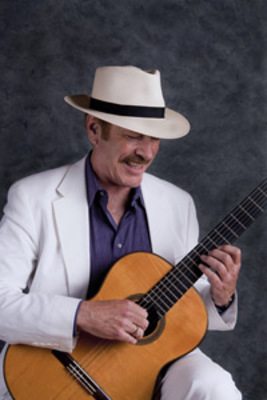
Terrence Farrell is a classical guitarist who has built a career in Monterey, after studying with a master guitarist based in Big Sur. In the interview, he discusses his musical development and specializations in classical, Spanish, and flamenco guitar. He reflects on the Monterey area's rich musical culture, describing how its strong support for the arts provided opportunities for performance and artistic growth, as well as how international travel has influenced his music and perspective. Farrell shares insights into the development of a professional career in music, the potential of music to connect people, and his ongoing projects composing orchestral pieces inspired by his travels.
-

Interview with Juneau Rowe
Juneau Rowe and Jessica Oliva
Juneau Rowe is a musician, educator, and multimedia creative who performs with the BASSment band and teaches piano through Palenke Arts in the Monterey Bay area. In the interview, Rowe discusses becoming involved with Palenke Arts and supporting its mission of multicultural arts education and creative community-building. The interview includes reflections on the BASSment’s socially conscious hip-hop, perspectives as a trans artist, and the role of live music in sharing stories, strengthening cultural understanding, and connecting audiences. Rowe also emphasizes protecting access to arts programs and helping students develop creativity, confidence, and the ability to apply themselves through music.
-

Interview with John Sepulvado
John Sepulvado and Jacob Alfaro
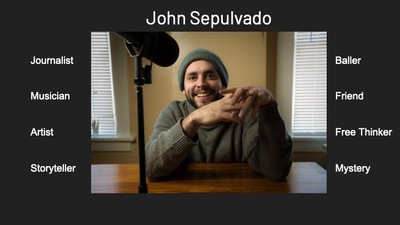
John Sepulvado has contributed to California's public media and music journalism through programs including The California Report and the KAZU radio station serving the Monterey Bay area. In the interview, he reflects on the different ways music has been central to his life, including experiences as a punk musician, music journalist, and record label producer. He discusses how music traditions preserve cultural memory, strengthen local identity, and give voice to social movements, drawing on experiences ranging from independent music scenes to public radio. Sepulvado emphasizes the importance of musicians and storytellers in carrying forward California's diverse musical heritage and fostering community through shared stories and songs.
-

Interview with Amalia Diaz
Amalia Diaz and Daniel Meachum
Amalia Diaz is a Colombian-born violinist and music educator whose work connects the Monterey Bay region through music education and performance. In the interview, she discusses leading El Sistema youth music programs in Salinas and Santa Cruz, collaborating with local musicians, and performing with the Monterey and Santa Cruz Symphonies. She reflects on her musical upbringing, professional training, and advice for aspiring musicians. Diaz also emphasizes the importance of making classical music accessible and meaningful to students, families, and local audiences.
-

Interview with Kurt Heisig
Kurt Heisig and Latasha Neal
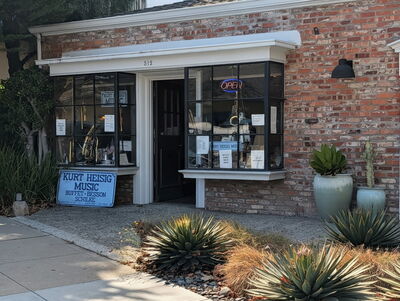
Kurt Heisig is a multi-instrumentalist, educator, and instrument craftsman whose musical background reflects generations of family musicianship and artisanry. In the interview, he traces his training through influential classical and jazz traditions, including saxophonists Sigurd Rascher and Marcel Mule, the French Flute School, and musicians associated with the Stan Kenton Band. He also reflects on teaching, conducting, and preserving musical knowledge through direct relationships between generations of performers and educators. His experience as owner of Kurt Heisig Music business in Monterey and Pacific Grove and his connections to the Bay Area music community illustrate the transmission of jazz, classical, and wind-band traditions across California.
Printing is not supported at the primary Gallery Thumbnail page. Please first navigate to a specific Image before printing.